What is the onion rate today in Dubai?
Our latest listed CIF estimate into the UAE is $845 per tonne for export-grade Indian red onion delivered to Fujairah or Khor Fakkan — about $0.85 per kg landed at the port. That is the landed cost of a container at the port, not the shelf price in a Dubai shop. Behind it, our latest published export-grade buying range at Nashik is ₹45–50 per kg. Check the source date and carry-forward notice on our onion price page before using these figures.
Why do you ship to Fujairah and Khor Fakkan instead of Jebel Ali?
Fujairah and Khor Fakkan are outside the Strait of Hormuz and serve different routes from Jebel Ali. Tell us your required discharge port. We check sailing availability and freight before quoting; onward road delivery must be arranged separately.
How long does shipping take from India to the UAE?
Five to seven days from Nhava Sheva (JNPT), Mumbai, to Fujairah or Khor Fakkan. We ship in a 40ft reefer held at 0–4 °C, about 28 tonnes. Add the road leg if your delivery point is Dubai or Sharjah.
What does a 40ft container of onions cost, landed in the UAE?
At today’s CIF of $845 per tonne, a 28-tonne 40ft reefer lands at about $23,660 CIF Fujairah or Khor Fakkan. On top of that you pay the 5% GCC import duty on CIF value — roughly $1,183 on this container — plus your clearance, the road leg to Dubai and your own margin. We quote CIF; the duty and inland costs are yours. Nothing is added at the Indian end: India scrapped the minimum export price on 13 September 2024 and the 20% export duty on 1 April 2025, and GST on exports is zero-rated.
What documents do you provide, and what do I need at my end?
We provide, from India: phytosanitary certificate (issued by the Plant Quarantine Department — note it is valid only 7 days for perishables, so it is issued against your sailing), certificate of origin, commercial invoice and packing list with lot numbers and weights matching exactly, and the bill of lading under HS 07031010. Our IEC and APEDA registrations sit behind all of it. You need, at the UAE end: a MOCCAE import permit issued before the vessel departs India and valid six months, FIRS registration on the Dubai Municipality Food Import and Re-export System, a UAE trade licence covering food or produce trading, and a customs importer code. If you are importing for the first time, tell us early — the MOCCAE permit timing is what catches new buyers out, not the cargo.
What labelling does the UAE require?
Mesh bags must carry bilingual Arabic and English text, the country of origin (India), the net weight, and your name and registration details as the UAE importer. Stickering after arrival is allowed but slows inspection, so we print to your artwork before loading where the order size supports it. Send your label file at the quote stage and it goes into the pack spec.
What size grade does the UAE market take?
45–55 mm is the Gulf retail standard and 55 mm+ moves to catering and premium retail. Smaller bands, 25–35 mm and 35–45 mm, go to processing and value retail. Al Aweer Central Fruit & Vegetable Market in Dubai is where most of the wholesale trade changes hands, and grade expectations there are strict — tell us your channel and we will spec it rather than send a default.
What packing do you use for the UAE?
25 kg PP leno mesh is standard. 5, 10 and 20 kg mesh are available for supermarket programmes, and 50 kg jute where the buyer prefers it. Private-label and multi-colour mesh printed to your brand can be arranged on a repeat programme. One 40ft reefer holds about 28 tonnes.
What are your payment terms?
30% advance to confirm the booking, and the remaining 70% against a copy of the bill of lading. Quoted in USD, CIF Fujairah or Khor Fakkan, or FOB Nhava Sheva if you prefer to arrange the sea leg. Terms on repeat shipments can be discussed once we have shipped together.
Who will I be dealing with?
Madni Ranawadiya, Partner at AL NOOR EXIM, answers enquiries and handles the documentation. The same person stays on your file from the first quote to the bill of lading. WhatsApp +91 98981 16829.
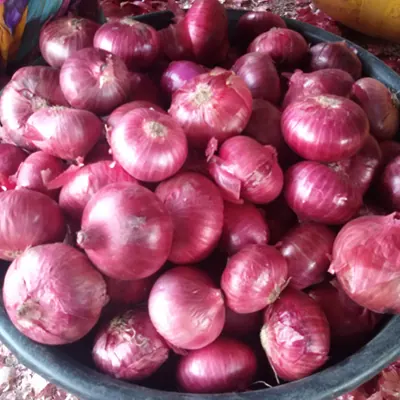 Indian Red OnionGrades · packing · FOB/CIF
 Fresh Green ChilliG4 · Jwala · Bullet
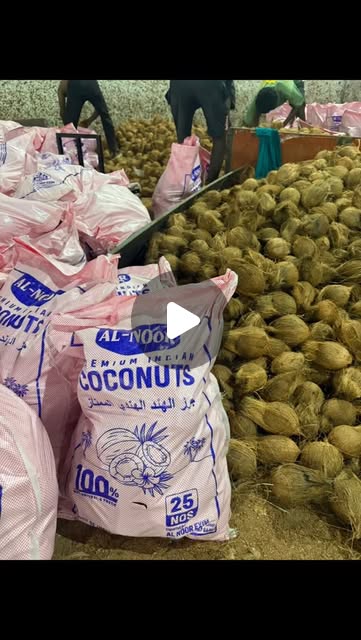 Semi-Husked Coconut12.5 kg · 25 pieces
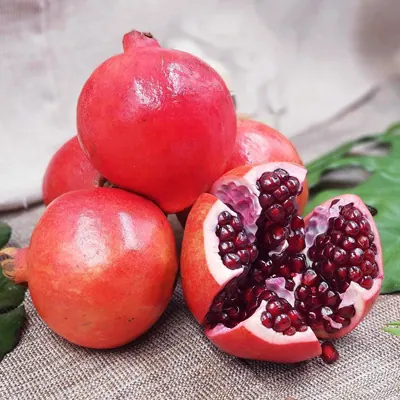 Bhagwa PomegranateExport grades · cartons
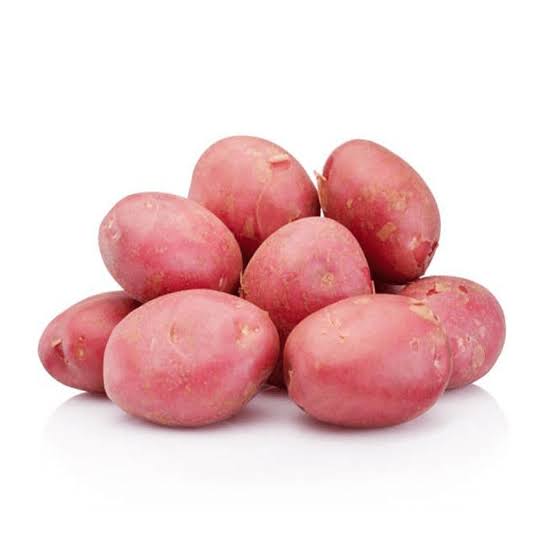 LR PotatoLady Rosetta · chipping grade
 Groundnut / PeanutBold · Java · aflatoxin testing
 Psyllium HuskPurity · mesh · bulk packing
 Fresh Indian OkraTender pods · ventilated cartons
 Indian Lemon & LimeSize grading · export cartons
 G9 Cavendish BananaGreen maturity · reefer planning
 Leno / MD BagsMade to requirement